


Creating Space to Tend To Your Sensitivity
If you’re a sensitive or neurodivergent person, you probably know what it’s like to live inside a rich, complex inner world.
…and still feel like you rarely have the space to tend to it.
Maybe you’re the type who buys beautiful journals and workbooks, works through half a page, then finds yourself setting it all aside for “when life slows down.” Or maybe you throw yourself into a Pinterest-inspired self-care ritual and execute it flawlessly for five straight days…then never touch it again.
Or maybe, you just get distracted easily and forget.
Don’t Be So Hard on Yourself, We All Do It.
If what I’m describing sounds anything like you, try not to feel guilty or frustrated with yourself. We’ve all been there. It doesn’t have to mean anything about you.
You’re not flaky, inconsistent, or “bad at follow-through.”
When you’re living in a nervous system that picks up on so much and gets overwhelmed so easily, it can be hard to make space for the things that nourish you – like being with your feelings, intentional reflection, grounding, self-care rituals, and engaging in activities and hobbies that bring you joy.
It all gets pushed to the margins, not because you don’t care, but because you’re overwhelmed and slowing down feels like FOMO or worse, threatening to your to-do list and sense of productivity.
Suddenly, there’s just no space for you anymore.
Trust me when I say: I get it.
I literally can’t even tell you how many journals and workbooks I’ve bought impulsively over the years, fully convinced I was about to become a whole new version of myself by next week, only to forget about the entire transformation plan 48 hours later when the next idea swooped in or get overwhelmed with my own intensity. (lol, send help)
If the struggle is real and you get it too, just know you’re not alone, and aren’t failing.
You may just need something different – like space where your intentions aren’t forced to compete with everything else in your life. A regular container, a cyclical rhythm, a sense of being alongside other humans who can act as accountability-buddy and support you with consistent co-regulation so you can focus.
If you’re reading this and also thinking: send help for me too…
Well, good news! Help has arrived in the form of our newest biweekly circle offering inside The Nourished Sensitive Collective and you’re invited to join us.
Sensitive Sanctuary Circle: Self-Alchemy Co-working for Sensitive Self-Healers.
If it’s time for you to finally make space for yourself, this space is for you.
Self-Alchemy: A Co-Working Circle for Sensitive Self-Healers with Marina
Monday, December 1 • 6:30–7:45 PM ET (group meets biweekly)


Together, with our community expert on spiritual growth, energetic boundaries, tarot grounding, and self-healing, Marina Biggio of Cosmic Marina, LLC we’ll be holding space for members and guests of The Collective to explore self-healing and spiritual growth together in community.
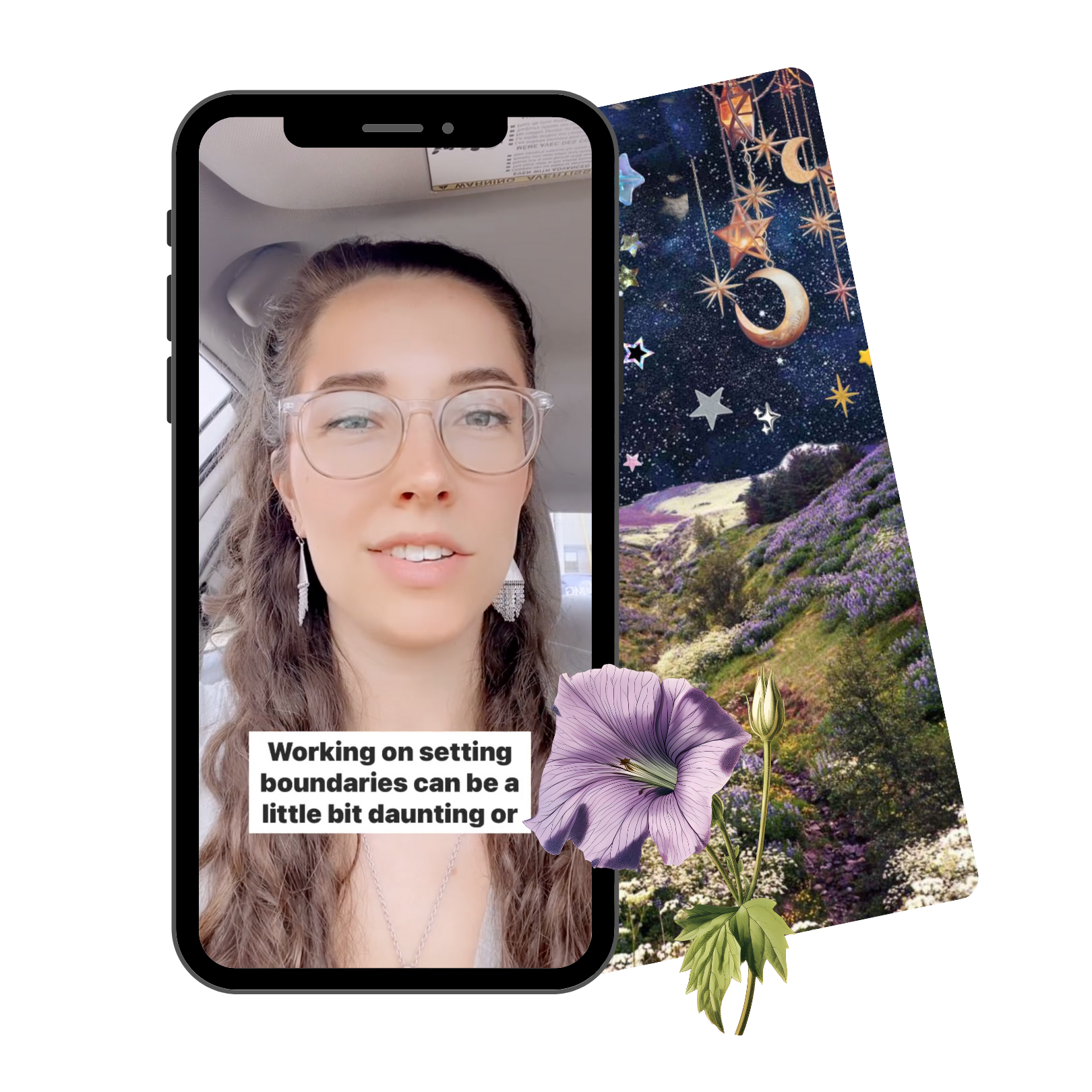
Before joining the circle, listen to this teaching from Marina about boundaries. She’s such a good teacher, and one of the kindest people you’ll ever meet.
Inside this biweekly circle, you’ll find the space you need to finally set aside the time for the emotional, spiritual, and inner-care practices you’ve been craving.
To slow down, open your cast aside journal and locate the lost workbooks, make new connections, and practice the spiritual and emotional skills your sensitive system actually needs to thrive.
Curious what we’ll learn and practice in circle?
Here’s a preview of some of the skills we’ll be exploring together, and how they can help you thrive as a human somewhere on the sensitivity spectrum.
Four Self-Healing Skills Sensitive Humans Need to Thrive
As a holistic health and wellness guide for sensitive and ND humans, there are four self-healing skills I’ve noticed we all need to feel nourished and steady no matter what life throws at us.
The first is emotional processing, the second is learning how to set energetic boundaries, the third is grounding, and the last is self-compassionate inquiry.
Most of us weren’t taught these essential skills growing up, but if we want to thrive in our sensitivity, especially in a world not created for us, we have to practice these skills regularly. If you do nothing else, pay attention to these four. They’ll transform your life.
Let’s practice them together.
Self-Healing Skill #1:
Emotional Processing – Making Space for Your Feelings
One of the hardest parts of being a sensitive person is how our emotions arrive suddenly, intensely, and often without any clear storyline. That’s why things can feel overwhelming so quickly. It’s like your body receives the memo long before your mind has any idea what’s going on.
Your natural depth of processing can feel like too much to stay with.
Emotional processing is the practice of slowing down your internal experience just enough to notice and name the feeling. When you learn to identify what’s happening as it’s happening, emotions feel less like a tidal wave and more like information.
This practice alone can be life-changing for the chronically overwhelmed sensitive.

In day-to-day life, processing feelings might look like:
noticing the flutter in your chest before anxiety takes over
feeling the heat rise behind your eyes and thinking, Ah, sadness is coming
catching the tightness in your jaw right before irritability peaks
placing a hand on your heart when you’re grieving a recent loss.
pausing before reaching for the cookie jar to ask what’s really going on.
These techniques are simple, but deeply regulating when practiced regularly with compassion. They offer the space to stay with yourself instead of abandoning yourself when things get big.
That said, simplicity doesn’t mean easy.
Mastering this skill takes consistent practice.
What Growth in Emotional Processing Looks Like Over Time
The more you practice emotional processing — especially in a consistent rhythm — the easier it becomes to understand what your inner world is trying to tell you.
You start noticing patterns like…
“Oh…that tightening in my belly is actually fear, not anger.”
“Oh…this pressure in my chest is the part of me that wants comfort.”
“Oh…this heaviness isn’t mine. I picked it up from my boss’s desk today.”
Once you have this information, and it feels natural, navigating your emotions becomes like second-nature.
This is steady, sacred inner work, but it can feel hard to approach on your own. Practicing this skill together in community, with essential tools and an experienced self-healing facilitator, can help it root into your body in a way that finally feels doable.
How We Practice This in Circle
At the start of every gathering, we’ll settle in with a grounding moment — a simple, guided check-in that brings you into your body. Marina will invite you to notice the subtle cues: your breathing, your posture, your emotional temperature, the sensations rising and falling beneath the surface. We’ll use books like The Art of Empathy by empathy educator and feelings expert, Karla McLaren–one of our favorites in TNSC–to dive deeper into the core practices around processing our emotions with skill.
Self-Healing Skill #2:
Energetic Boundaries – Distinguishing ‘Me’ from ‘Not Me’
Most of us are taught boundary scripts like “say no”, “set limits”, or “tell them how you feel”… but we never learned how to distinguish our energy from someone else’s through the practical skill of energetic boundary-setting.
When we’re missing the subtle energetics piece, boundary-setting can often feel confusing or overwhelming.
So, what exactly are “energetic” boundaries?
Energetic boundaries are the subtle, internal cues that tell you:
This emotion entering my body isn’t mine.
I just absorbed something from this person.
My nervous system contracted when they started talking about that.
I’m suddenly carrying responsibility that doesn’t belong to me.
My energy is leaking into a situation that doesn’t feel good.
They help you notice:
when someone’s emotions are entering your field
when your body contracts around someone else’s needs
when you begin carrying feelings that aren’t yours
when you’re leaking energy that drains you over time
These micro-signals happen long before your mind can catch up, and learning to recognize them is a form of spiritual hygiene — that is, keeping your energy clear and able to flow freely rather than slowly burnout.
What Growth in Energetic Boundaries Looks Like Over Time
As you practice setting energetic boundaries regularly, you might notice yourself:
Catching other people’s emotions sooner (and letting them go)
Carrying less of responsibility that isn’t yours to carry
Feeling less drained after interacting with certain people
Noticing when your body says “no” before you override it
Collapsing less into emotional caretaking and people pleasing,
and absorbing less of the energy of every room you walk into
As you practice this skill, you’ll learn to trust those micro-cues as wisdom, and over time, you’ll get better at navigating tough conversations, relationships, work, family dynamics, and your own inner life with less confusion and more clarity.
How We Practice This in Circle
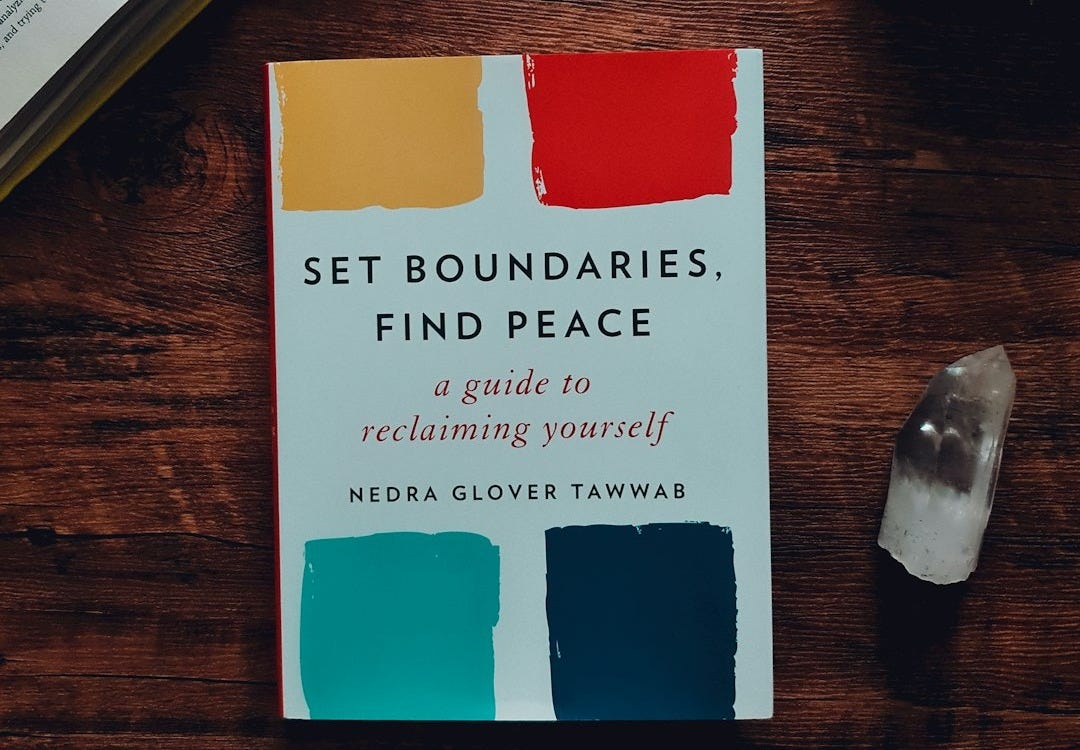
We’ll explore energetic boundaries through intentional exercises using resources like Set Boundaries, Find Peace, gentle group discussion about the challenges we face, and simply noticing the energy between us in circle. When we practice this skill together it can feel so much easier, and these small awarenesses slowly become the foundation for clearer, more intuitive boundaries over time.
Self-Healing Skill #3:
Grounding Your Energy – Bringing the Mind-Body Down
Grounding is one of the most essential skills for sensitive folks, yet it’s often the one we forget when we need it most.
The easiest way to think about grounding is to imagine an electrical wire: if a wire isn’t grounded, the current has nowhere to go. It can overload, spark, and short-circuit until it literally spontaneously combusts and melts down.
For better or for worse, sensitive nervous systems work quite the same way.
When too much emotional or sensory “charge” builds up from everyday life stressors, and there’s no place for it to go, your system gets overwhelmed.
Grounding practice gives that excess energy somewhere to land and brings you back into your body where you can refocus your energy on what matters most to you.
Energetic grounding pairs well with self-healing skill #2: energetic boundary work.

In real life, grounding looks like:
• pausing before responding to a text that triggered you, so you can place your feet firmly on the floor and take one slow breath before responding.
• stepping away from a conversation when you feel yourself absorbing someone else’s panic, to press palms together and remind your body where “you” begin/end.
• choosing to breathe when your partner gets frustrated and instead of spiraling, gently put a warm hand on your heart or belly to signal safety within yourself.
• stopping mid–overthinking to notice, Oh, I’m trying way harder than I need to right now, then drinking a cold glass of water slowly to bring yourself back to simplicity.
• catching yourself before dissociating or shutting down, and choosing to step outside for some fresh air so your senses can anchor you to the Earth.
These simple grounding practice might seem small, but they change everything.
What Growth Looks Like Over Time
With consistent practice, learning to ground your energy becomes default:
you come back to center faster after stress
you feel more present and less scattered
you recover more quickly from emotional overwhelm
you stop leaking energy into situations that drain you,
and you navigate your days with more steadiness, clarity, and calm
Grounding practice becomes your inner home base — the place where your nervous system learns to return to again and again no matter the chaos swirling.
How We Practice This in Circle
We’ll explore grounding through intentional reflection using Marina’s Complete Guide to Grounding for Empaths, practicing gentle somatic grounding techniques, and noticing what helps your body settle during group practice. Through group discussion and co-working, you’ll begin to recognize what brings you back into yourself when life throws you off your center.
Self-Healing Skill #4:
Self-Compassionate Inquiry — Meeting Yourself With Kindness
So many of us sensitive souls are trained at self-awareness, but not self-kindness.
We can articulate our patterns, name our triggers, map our histories, identify our growth edges, and analyze our emotions with therapist-level clarity…but still speak to ourselves with an inner voice that’s punishing, cold, impatient, and downright rude.
If you’re not gentle with yourself as a sensitive human, your natural depth of self-awareness can quickly becomes another form of self-critique that holds you back.
This is where the self-healing skill self-compassionate inquiry comes in.

Instead of asking “What’s wrong with me?” or “Why am I always like this?” — practicing this skill means asking yourself softer, wiser questions that slow down shame, reconnect you with your body, and help you understand the need underneath the reaction with gentleness.
Self-compassionate inquiry sounds like:
“What part of me is speaking right now?”
“Is this the scared part? The tired part? The overwhelmed part?”
“What need is underneath this feeling?”
“What would help my body feel safer in this moment?”
“How would I talk to my best friend about this?”
What Growth Looks Like Over Time
As you begin to practice self-compassionate inquiry more often, you will notice small shifts in how you show up for yourself:
You might catch your harsh inner voice sooner and learn to soften instead of shame spiral. You might comfort the scared parts of you instead of rejecting them, and stop treating your emotions like problems to fix. Instead of judging yourself harshly, you might choose to meet yourself with the love you so easily show others.
With time, your relationship with yourself becomes less punishing.
You become less afraid of your feelings, gentler with your mistakes, and start to trust your own tenderness.
This is the real self-healing work.
And you don’t have to do it alone.
How We Practice This in Circle
In circle, we’ll be using resources like The Self-Compassion Workbook by Kristin Neff to explore the art of being kinder to ourselves. When you come up against a hard emotion, an old pattern, or something tender in your workbook, instead of spiraling into self-blame, we will slow down and ask these gentler questions together.
Exploring Element 9: Spiritual Growth
All of these practices — emotional tracking, energetic boundaries, grounding, and self-compassionate inquiry — come straight from Element 9: Spiritual Growth in the Nine Elements of Nourishment framework with influence from Element 1: Emotional Health, Element 2: Self-Empowerment, and Element 7: Embodiment.
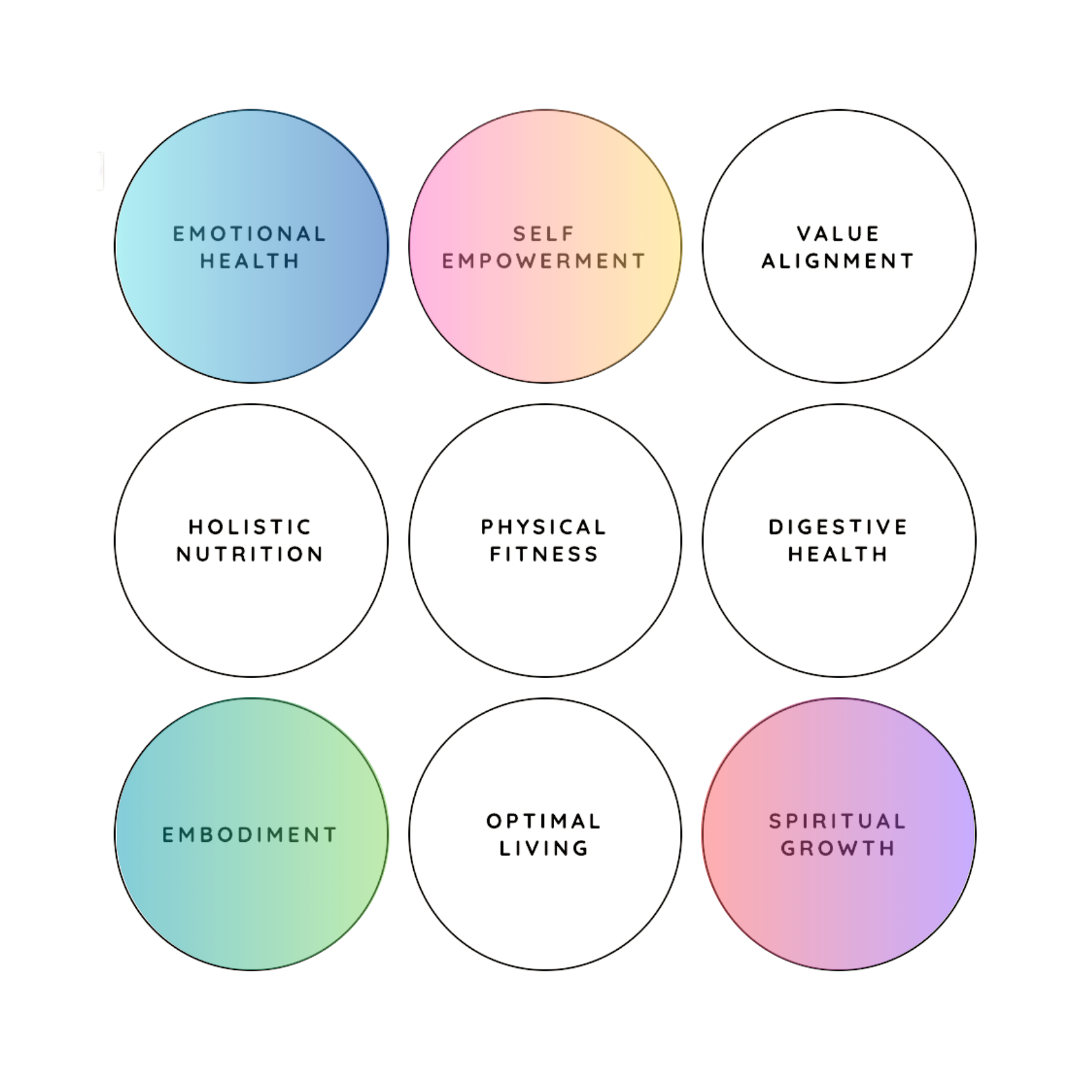
Each of these elements work together to cultivate a version of yourself who feels naturally calm, at peace, and empowered to live to your highest personal potential, use your gifts, and shine your most authentic light in the world.
And I want to name something here, because it matters:
For sensitive and neurodivergent people, spiritual growth doesn’t look like what the world often tells us. It’s not about becoming more “enlightened”, more “perfect”, or more “high vibe”. It’s not about transcending your messy humanity or “rising above” your emotions to become an untouchable fourth-dimensional being.
It’s about deepening into your truest, already whole self.
Spiritual Growth, for sensitive bodies, is slow and intentional work.
It’s seasonal. It unfolds the way flowers do: quietly, subtly, often without you noticing in the moment. And it deepens when you move at the pace of your nervous system, treat your inner world as something sacred rather than inconvenient, and choose self-connection over self-critique.
This change happens in tiny micro-shifts like:
“Oh… I’m handling things differently.”
“Oh… I didn’t abandon myself this time.”
“Oh… I can feel the difference between my emotions and someone else’s.”
“Oh… my body is settling faster than it used to.”
“Oh… I’m actually treating myself like someone who deserves care.”
These are not small changes , they’re HUGE.
So, if any part of you is whispering, “I need this… I want this… this feels like exactly what I’ve been searching for,” then you’re invited to join us in circle and practice these four essential life skills with your fellow sensitives on a regular basis.
The Self-Alchemy Co-Working Sanctuary Circle is designed to hold exactly this.
It’s a space to slow down, soften, learn the necessary skills you were never taught, and come home to yourself, gently, again and again every time we meet.
Why We Practice These Skills Together
Sensitive people often assume they must “figure themselves out” privately. But your system is wired for relational processing. You regulate best in gentle, structured spaces where you’re not required to perform, talk, or be “on.”
That’s the heart of our co-working circle.

Each session, we’ll begin with a grounding check-in, then settle into quiet, supported time using whichever workbook calls to you:
Set Boundaries, Find Peace
The Mindful Self-Compassion Workbook
The Shadow Work Journal
The Language of Emotions
…or whatever tools and resources you want to bring.
You can move between them, stay with one, write, rest, or simply breathe. Participation is optional. Speaking is optional. Just come exactly as you are.
This is where the deeper work gets to happen, and we’d love for you to be part of it.


Sensitive Sanctuary: A Self-Alchemy Co-Working Circle for Sensitive Self-Healers
If you’re craving a quieter inner world, soft accountability, and a space where your sensitivity feels honored instead of overwhelmed, we’d love to have you join us.
Self-Alchemy: A Co-Working Circle for Sensitive Self-Healers
Date: Monday, December 1st
Time: 6:30–7:45 PM ET
Facilitator: Marina Biggio of Cosmic Marina, LLC (www.cosmicmarina.com)
This Circle offers a calm, supportive environment for highly sensitive and neurodivergent people who want to stay centered while tending to an inner world that can feel especially loud or layered. Together, we’ll explore what groundedness feels like in your body, practice setting clear energetic boundaries, reconnect with your own natural pacing, and make room for clarity, compassion, and ease.
If you’re longing for a gentler way to move through your internal landscape, this gathering is a beautiful place to begin, and you can save your spot here.
A Note About Access
Sensitive Sanctuary Circles and TNS gathering are open to everyone.
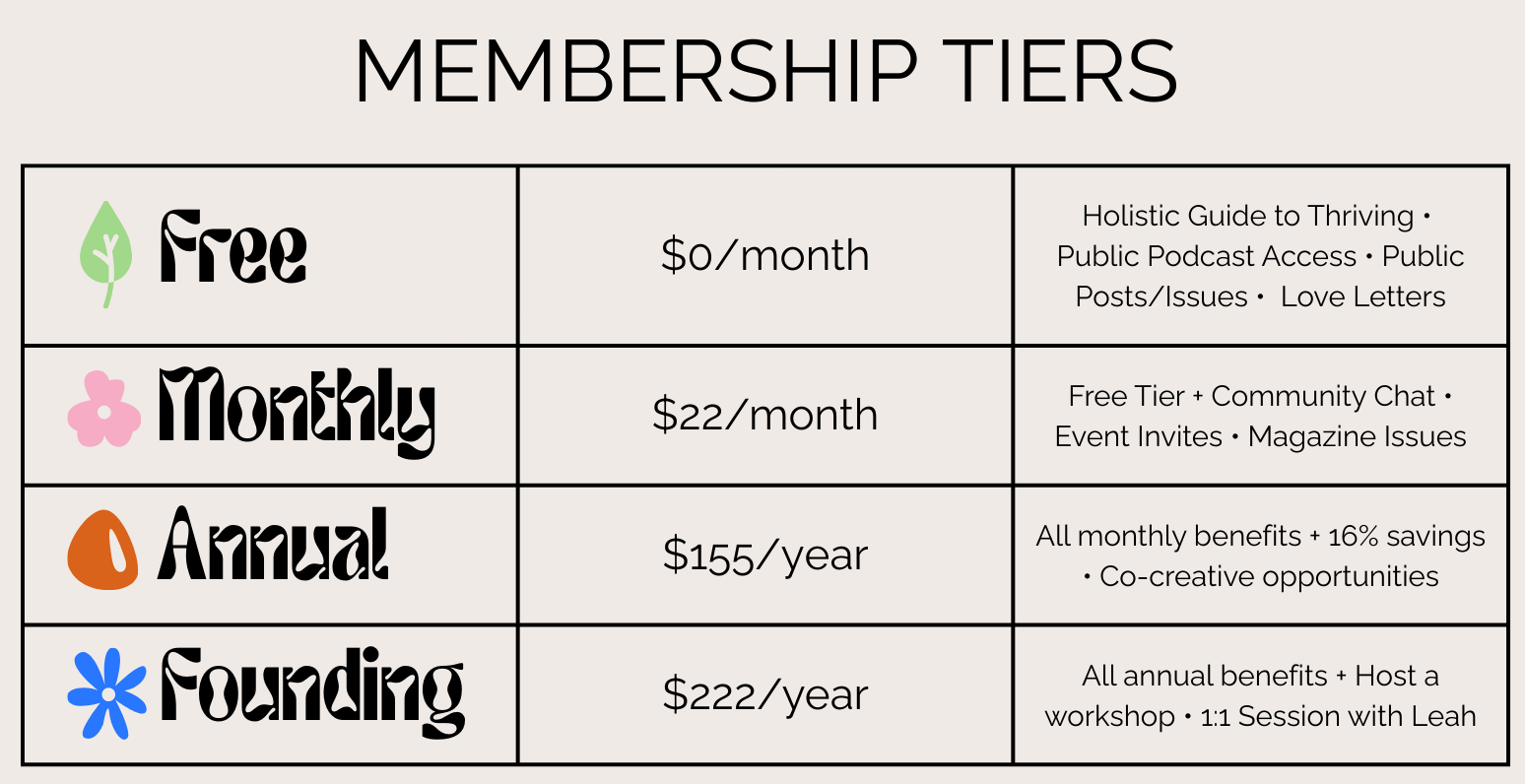
TNSC Members attend for free, with full access to every gathering, invitation, and community space. Guests are warmly welcome to join any circle for $22.
If the cost isn’t accessible for you right now, please reach out to Leah directly at leah@nourishedsensitive.com for a free first circle invitation.
You’re always welcome to come try a circle out before joining.
If you’ve been curious about our events, or want to deepen into the sanctuary we’re building together, you’re warmly invited to upgrade your membership to receive all future invitations and to help sustain this gentle, soul-centered community sanctuary.
What is Sensitive Sanctuary Circle?
Think of Sensitive Sanctuary Circle as a soft pocket of time where nothing is required of you. No fixing, no masking—just come as you are, and snuggle into belonging with your fellow sensitives and NDs.


This space is for highly sensitive and neurodivergent, deep-hearted folks who feel deeply and are learning to honor their nervous systems. We gather for presence, reflection, and gentle belonging. Tears, laughter, silence, and story are all welcome.
What We Do
We keep things simple: a grounding practice, a brief theme + journaling prompt, then open space for sharing or quiet listening. We close with a blessing and an optional card pull.
What to Expect
🌱 Camera on or off—your choice (most keep them on).
🌱 Speaking is optional—share, pass, or use the chat.
🌱 Small, intimate groups (6–12 people).
🌱 Free to move, stretch, fidget, stim, or step away.
🌱 We meet 6:15–7:30pm ET.
Comfort + Care
Cameras encouraged but never required; a quick goodbye in chat if leaving early is appreciated.
No pressure to perform or say the “right thing.”
Gentle structure: grounding → check-ins → closing blessing.
Accessibility-minded: bodies and nervous systems welcome as they are.
Confidentiality held with care; recordings only with group consent.
No prep needed—bring a journal or tea if you’d like.
If you’ve been longing for slower, more genuine connection—or simply a place where you don’t have to hold everything together—Sensitive Sanctuary Circle is for you. 🌿
For details, see the full Sensitive Sanctuary Circle – Participation Agreement
For any questions, you can reach Leah at leah@nourishedsensitive.com.